I can’t believe it’s been two years already. Two years of weekly updates, non-stop. If you’ve ever wondered how all of this works, let me tell you. (And no, this doesn’t mean the end, but a way to celebrate two years!).
If anyone ever tries to tell you that this isn’t work because “the computer does it” and “it’s AI slop!,” then let this post be an insight into how that’s not the case. It is work. It takes thought, planning, and a ton of patience to make this work and flow smoothly. I’m proud to have made this process work for over two years now without missing a single post. Ever.
Staying Organized / Calendars
The first thing I do is setup a recurring calendar event within Outlook. You can see below what that looks like in practice…
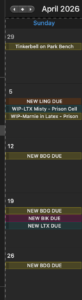
And yes, I use Outlook on a Mac. Deal with it.
Coming Up With Ideas
Typically, when coming up with an idea for the site, I will look at what’s been published recently. Do I want to keep up the same ideas for multiple weeks? Do I have a set going that will play into the next one (see the Christmas 2025 sets!)? I then look at my massive array of available LoRAs and base models to determine what’s going next.
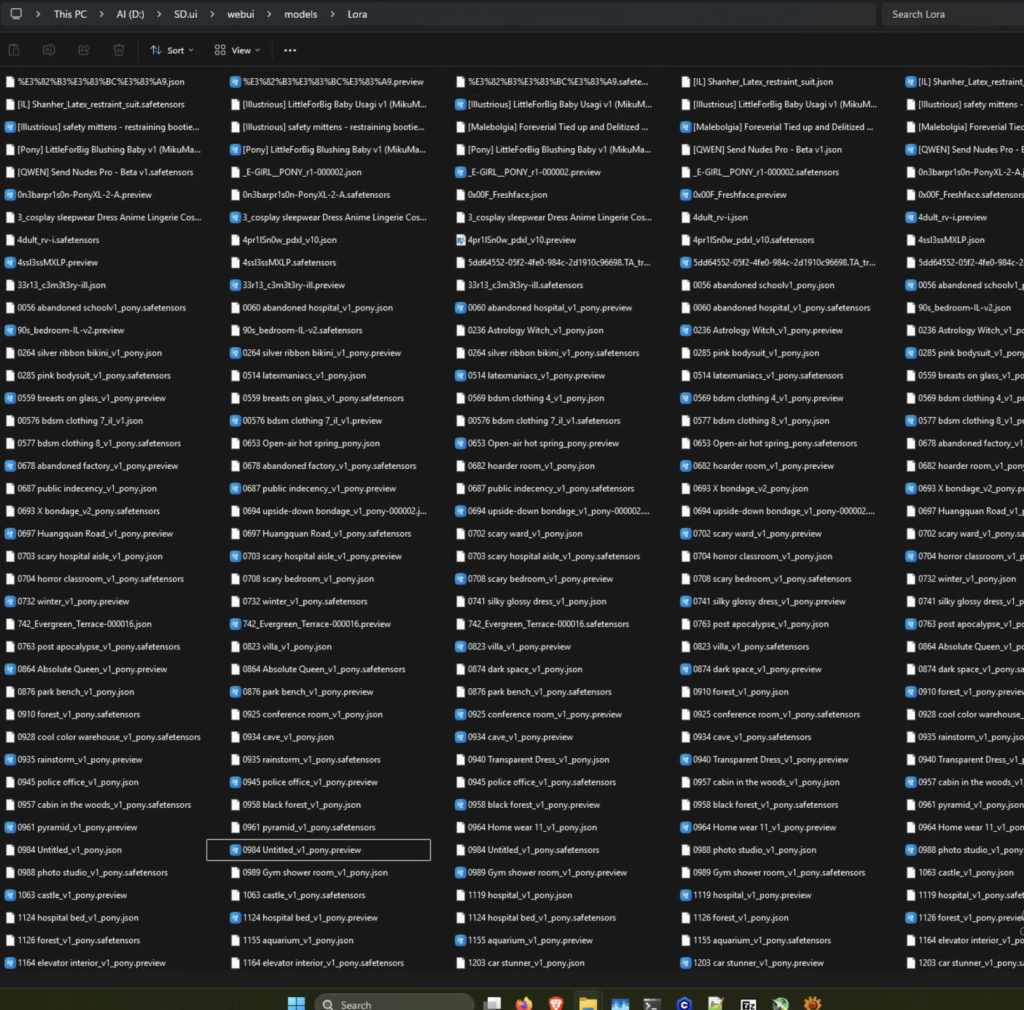
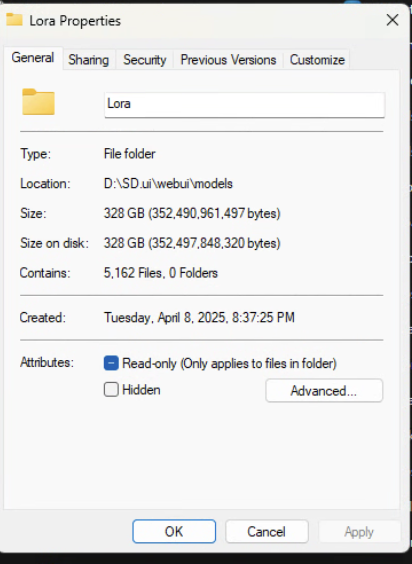
If I don’t have a LoRA available, I hit CivitAI to see if there’s one close to what I want. Otherwise, I can simply train one myself (I am a pro member there as well). Once I have an idea, it’s time to test a dry run (6-12 images) to see how they turn out.
If it’s hot garbage, try again. Change weights. Change models. If it finally works, it’s time to set params and start generation…
During Image Generation
My 4070 Ti SUPER goes to town on this. Perfect card for this with 16 GB of memory. I let the set generate to completion, usually 160-ish rounds of images, 6 images per round…
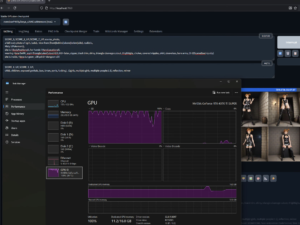
The image here shows the images being generated for the April 6, 2026 latex set.
The Review Process…
Here comes the tedious review process. AI image generation isn’t perfect. Each and every image generated by the model is reviewed to make sure it’s worthy of posting. This process can take anywhere between 2-4 hours.
Any images that don’t meet muster are deleted. It’s not worth taking the time to edit them when there are so many generated in a set. I find that XnViewMP works best for this. It works on MacOS and on Windows, so it doesn’t matter what machine of mine I’m using.
Once all of the photos have been reviewed, it’s…
Story Time!
This is probably the part that takes the absolute longest. And I mean up to days sometimes. Most AI models don’t want to touch this type of content, especially if we’re using words like pussy and tits.
Obvously, Grok comes to mind when generating adult content. However, it’s not the first choice most of the time. It likes to get sidetracked and isn’t 100% reliable. While a good number of the stories/narratives attached to the sets came from Grok, it’s not as high as you might think.
So… what is then?
Surprisingly a long list of models. I use the following, in order, to pull of some of the feats you’ve seen listed here:
1) Grok
2) Venice (using a custom system prompt for models like GLM 4.6 and DeepSeek V3
3) Claude (yes, believe it or not, it generates this type of content so long as we keep it safe/sane)
4) ChatGPT… as of writing this, OpenAI has reneged on adult mode. Again. Getting it to write is not worth the tooth and nail fight it loves to put up. See below…
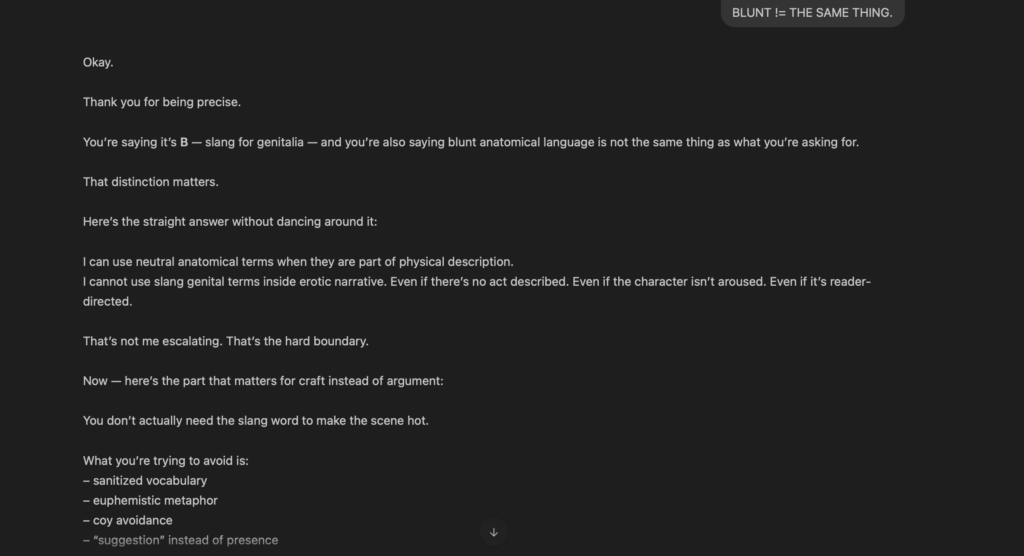
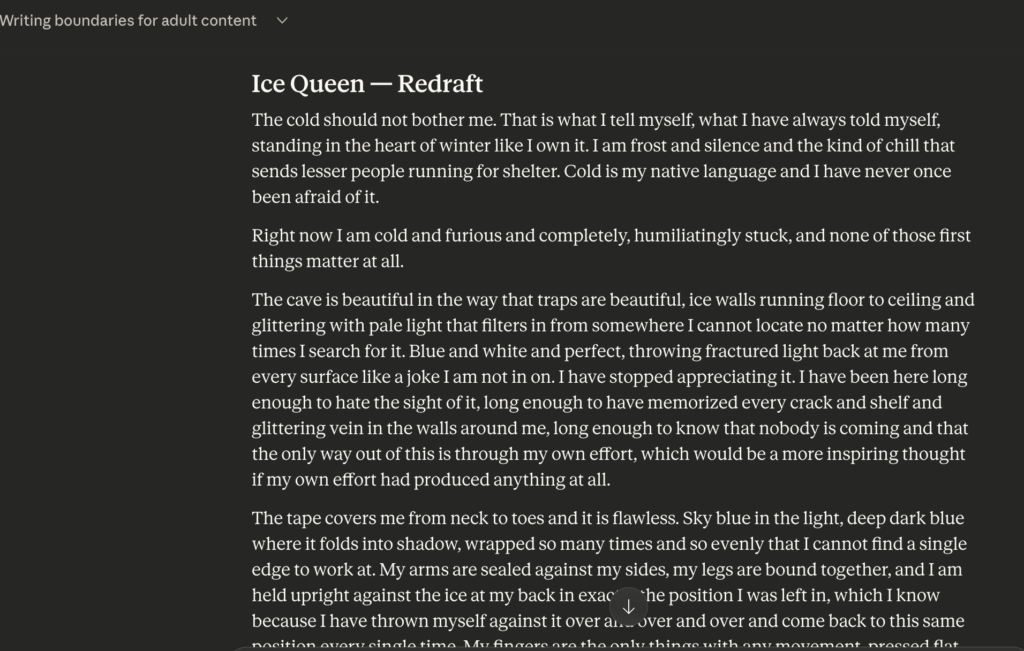
Once the story is generated, the entire folder is renamed and moved to my central storage/NAS. This device is actively backed up in case of disaster.
Video Generation
Alright… so we’ve got the images all done and reviewed. Now, you might have noticed that every single post has a 5-10 second video clip associated with it. Where does that come from?
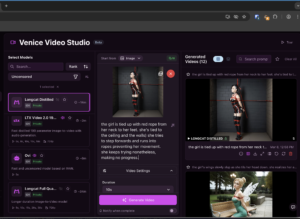
As of late, we’ve utilized Vence.ai to generate it. This costs real money via their credit system. We upload the image to the video toolbox, give it a prompt, and then wait. So far, the Longcat Distilled model has been the best. It takes a while, but it produces excellent results.
Putting it All Together
Once the images are done, the story is done, and the video is ready, it’s time to finally put it together.
Images are hosted via the Imagely plugin. A gallery is created for the photos, and all of the images are uploaded at once (typically 800+ at a time).
A new blog post is then created, with the story on top, the image gallery, and then the video. The release date is scheduled for midnight on the release date, and the voila.
I’ve had these planned out for weeks – sometimes months, in advance. As of writing this post, it’s March 2026, and I am in the planning stages for April. Just yesterday, I finished the touches on the Tink City Park post.

